 SWBTEC


The Challenge of Repairing an Excavator
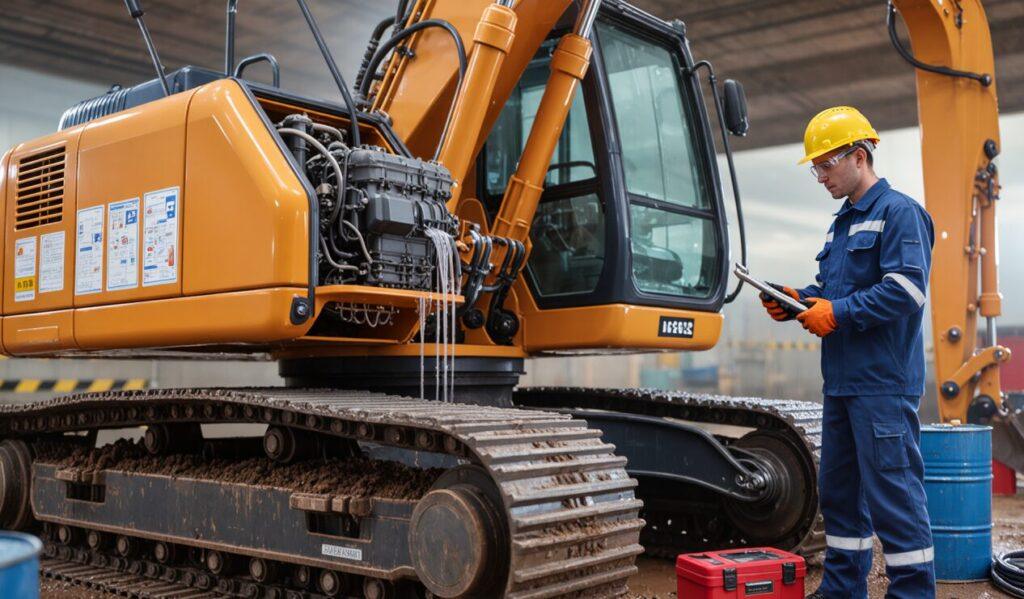
Repairing an excavator is no easy task. These rugged, powerful machines are designed to handle extreme workloads, so when they fail, they present significant challenges. The slew bearing may seem insignificant, but if you’ve ever faced the challenge of repairing an excavator, you know it’s often a critical component.
The Heart of the Excavator
Let’s be clear: without the slewing ring bearing, an excavator simply wouldn’t be an excavator. This bearing connects the upper structure—the cab, boom, and counterweight—to the undercarriage. Thanks to it, the top part of the machine can rotate 360 degrees. Imagine trying to dig a trench without being able to swing the bucket to the side. You’d have to constantly reposition the whole machine, wasting time and energy. The slewing bearing makes rotation smooth, fast, and reliable.
What makes it even more impressive is the kind of stress it can handle. Unlike other bearings that deal with just one kind of load, the slewing ring bearing manages three at once:
Axial loads (the up-and-down pressure from the weight of the cab and boom)
Radial loads (side forces during digging or swinging)
Tilting moments (the twisting effect when digging at an angle or carrying uneven loads)
This combination would destroy ordinary bearings in no time. But the slewing ring bearing is built for it.
Why It’s So Tough to Repair
When you talk about repairing an excavator, replacing or fixing the slewing bearing is often one of the biggest tasks. Why? Because it’s massive, heavy, and deeply integrated into the structure of the machine. Mechanics usually need cranes or other lifting equipment just to handle the bearing itself. It’s not something you can swap out like a filter or a hydraulic hose.
On top of that, the cost of a new slewing bearing is high. If it fails, the entire excavator might be out of service for days or weeks. That’s why many operators say the slewing ring bearing is the part you want to protect the most. Proper lubrication, sealing, and careful operation can make the difference between years of smooth service and a sudden, expensive breakdown.
The Hidden Advantages
Even though repairing or replacing one is a challenge, the slewing ring bearing has some clear advantages that keep excavators running for a long time:
Durability in Harsh Conditions
Excavators work in mud, dust, water, and extreme temperatures. The slewing bearing is designed with seals and tough materials that resist these conditions.
Compact Design with Huge Strength
It combines both rotation and load support in a single component. That means fewer extra parts are needed, reducing the risk of failure elsewhere.
Efficiency for Operators
Because the cab can swing easily, operators don’t need to move the whole machine around. This saves time, fuel, and wear on the undercarriage.
Lessons from the Repair Shop
Ask any mechanic who has repaired an excavator: the slewing bearing teaches you respect. You realize just how much of the machine’s life depends on this single part. Many repairs involve checking for wear in the bearing, tightening the bolts, or making sure grease is applied regularly. Neglecting it is asking for trouble.
Operators also learn to treat their machines better. No sudden, jerky movements. No overloading one side of the bucket. Small habits can add years to the bearing’s life. And the longer the bearing lasts, the longer the excavator can stay on the job.
Compared with Other Bearings
Of course, slewing bearings aren’t the only type of bearing out there. Ball bearings, roller bearings, tapered roller bearings, and needle bearings all play important roles in other machines. Ball bearings are great for reducing friction in high-speed equipment. Roller bearings can take heavy radial loads in gearboxes or conveyor systems. Tapered roller bearings are used in cars and trucks, where they handle both radial and axial loads.
But none of these are built to face the insane combination of forces an excavator deals with every day. That’s why, in the repair world, the slewing ring bearing stands out as something truly special.
It is Known
Repairing an excavator is always a challenge, but it’s also a chance to appreciate the engineering behind it. The slewing ring bearing, in particular, shows us how one single part can carry the weight of the whole machine—literally and figuratively.
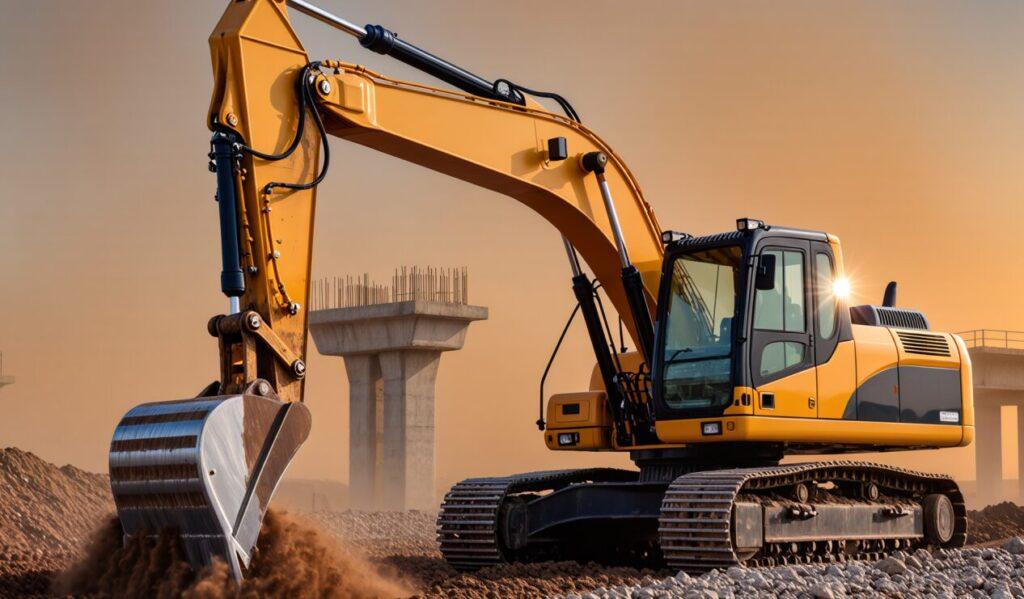
So, if you want to avoid the nightmare of replacing one, the answer is simple: take care of it. Grease it, inspect it, and treat it with respect. Because at the end of the day, the slewing ring bearing is what makes an excavator more than just a pile of steel—it’s what makes it a living, working machine.
